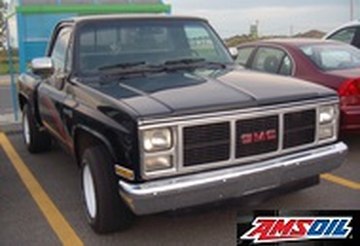
Maintaining Lubrication Standards for the 1981 Gmc Trucks K2500 5.7L
Proper engine lubrication is a cornerstone of long-term vehicle health, particularly for a heavy-duty platform like the 1981 Gmc Trucks K2500. The 5.7L engine requires consistent attention to ensure that all moving internal components remain adequately protected against friction and heat. Because this vehicle was manufactured several decades ago, maintenance strategies should focus on monitoring current component conditions rather than relying solely on age-based assumptions.
Monitoring Fluid Integrity and Potential Leaks
One of the most effective ways to monitor the health of a 5.7L engine is through regular visual inspections for fluid seepage. Over time, various gaskets and seals may experience changes in their ability to maintain a tight barrier. When performing routine checks, look for signs of oil residue around the engine block or near sealing surfaces. Identifying these areas early can help prevent more significant issues later.
If you notice any wetness or dark staining on the underside of the engine or around the oil pan area, it warrants closer investigation. It is important to note that a small amount of seepage does not always indicate an immediate failure, but it serves as a vital indicator for your maintenance schedule. Additionally, checking the appearance of the oil itself can provide clues; if the lubricant appears excessively dark, gritty, or contains visible contaminants, it may be time to prioritize a service interval.
Observing Changes in Engine Operation
Beyond visual inspections, an owner should remain attentive to how the vehicle behaves during operation. While many mechanical issues can have multiple underlying causes, certain symptoms are worth noting for future diagnostic purposes. For example, if you notice unusual mechanical noises that coincide with engine startup or during heavy load, this could be related to lubrication levels or quality.
Changes in how the engine consumes oil should also be monitored. If you find yourself needing to add lubricant more frequently than previously recorded, it is a sign that the system's integrity or the oil's effectiveness may be changing. Similarly, any unexpected exhaust characteristics or changes in engine temperature can be associated with various lubrication or cooling factors. Always treat new or unusual symptoms as an invitation for a thorough inspection rather than attempting to diagnose a specific component from a single observation.
Managing Maintenance Records and Baselines
For owners of a 1981 Gmc Trucks K2500, establishing a maintenance baseline is highly beneficial, especially if the vehicle's full service history is unknown. By documenting every oil change, filter replacement, and fluid inspection, you create a reliable roadmap of the engine's health. This documentation allows you to distinguish between normal aging and actual mechanical changes.
When reviewing previous repair records, look for patterns in component replacements or frequent fluid top-offs. If no history is available, start your own log immediately. Tracking the date and mileage of every service helps you identify when certain components might require attention based on their actual usage. This proactive approach to record-keeping shifts the focus from reactive repairs to informed, condition-based maintenance decisions.
Condition-Based Inspection Priorities
As vehicles age, it is more effective to prioritize maintenance based on current physical condition rather than just the calendar year. For the 5.7L engine in this K2500, this means inspecting components that are subject to heat and vibration. If equipped, check accessible drive belts for signs of cracking, glazing, or fraying. Similarly, inspect any visible hoses for signs of hardening, swelling, or surface deterioration.
Electrical connections and wiring harnesses should also be checked for cleanliness and secure seating. Corroded or loose connectors can lead to inconsistent engine performance, which may sometimes be mistaken for lubrication issues. By focusing on these tangible indicators of wear, you can direct your maintenance efforts toward the areas that actually require attention, ensuring that resources are used efficiently.
The Role of Lubrication in Engine Protection
Engine oil performs several vital roles that go beyond simple lubrication. It acts as a medium for heat management, helping to carry thermal energy away from high-friction zones within the engine. Furthermore, modern lubricant formulations are designed with advanced additives that assist in deposit control, helping to prevent the buildup of sludge and other combustion byproducts that can interfere with engine operation.
Maintaining the correct quality of oil is essential for ensuring these protective functions remain active. High-quality lubricants provide better oxidation resistance, which helps the oil maintain its chemical stability over time. For engines that have seen significant service life, some high-mileage oil formulations contain additives intended to help manage aging seals and maintain consistent performance.
Practical Advice for Buying Engine Oil for your 1981 Gmc Trucks K2500 5.7L
When it is time to replenish your engine's lubricant, the most important step is to match the product to the specific requirements of your application. Do not rely on general knowledge or assumptions based on the vehicle's age; instead, refer directly to the application-specific viscosity and oil information provided on this webpage.
Before making a purchase, carefully check the product labels to ensure the lubricant meets the appropriate API certifications for your needs. You may choose between conventional, synthetic blends, or full synthetic oils depending on your specific maintenance goals and the current condition of your engine. If you are using an older engine that shows signs of increased seepage, you might consider exploring high-mileage formulations that include seal-conditioning additives. Always verify that the oil you select aligns with the technical data displayed in the application information above to ensure optimal protection for your 5.7L engine.